

- What Exactly Is a Glass Mousepad?
- How Durable Is Glass Compared to Cloth?
- How long do glass mousepads last?
- Do Glass Pads Destroy Mouse Skates?
- Are Glasspads Even Worth It for Competitive Gaming?
- Glass vs. Cloth Pad: Which Lasts Longer?
- What Does "Wear" Actually Mean for a Glass Mousepad?
- Which Glass Mouse Pads Are the Most Durable? Brand Comparison
- Tips for Making Your Glass Mouse pad Last as Long as Possible
- Conclusion: What to Remember About Glass Mousepad Durability
- Frequently Asked Questions (FAQs)
Quick Summary: How long do glass mousepads last and how to ensure your equipment can withstand wear and tear? Glass mousepads have taken the gaming peripheral world by storm — promising near-infinite glide, zero wear, and a surface that laughs in the face of dead skin, sweat, and spilled energy drinks. But how long does a glass mouse pad actually last? And is the hype deserved or is it all just Silicon Valley snake oil dressed up in tempered glass? This article breaks down everything — from material science to real-world usage — so you can make a genuinely informed decision before dropping serious cash on a glass pad.
Why read this? We go beyond surface-level fluff. You’ll get a thorough durability comparison between glass and cloth, understand how mouse skates interact with glass, see brand-specific data (Skypad, Wallhack SP-004, Wallhack Glass), and walk away knowing exactly what to expect from using glass long-term.
What Exactly Is a Glass Mousepad?
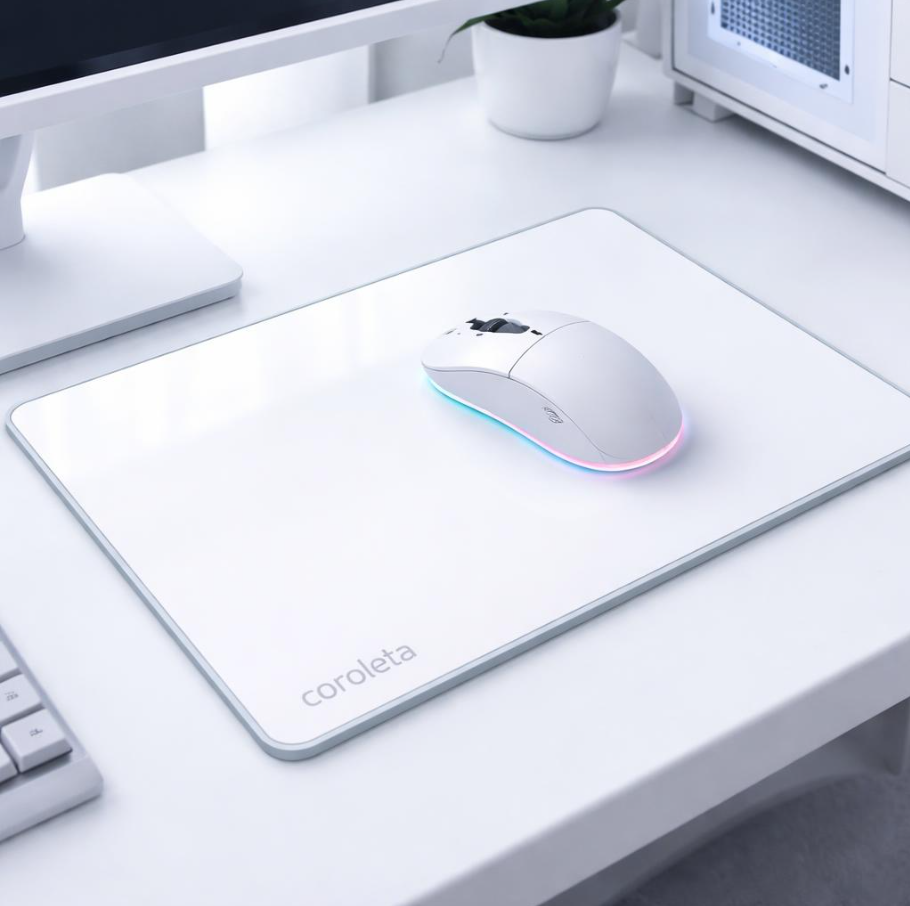
A glass mousepad is a rigid, flat pad made from tempered glass, engineered to serve as the gliding surface for your mouse. Instead of the fabric-on-rubber construction that’s dominated gaming desks for decades, a glass pad uses the intrinsic smoothness of glass to deliver near-frictionless movement. The pitch is simple: if you’ve ever used a brand-new cloth pad fresh out of the box and thought “I wish it always felt this way” — that’s exactly what using glass is trying to bottle permanently.
Products like the Skypad 3.0 XL and the Wallhack SP-004 have become household names in competitive gaming circles, partly thanks to thorough community testing and dedicated durability test content on YouTube that showed glasspads holding up where cloth had long since given out. The category is real, the performance claims are largely substantiated, and the market has matured enough that there are now options across multiple price points.
That said — these pads are not for everyone, and their durability story answers some important questions.
How Durable Is Glass Compared to Cloth?
Let’s start at the material level, because this is where glass genuinely earns its reputation. A typical cloth pad begins degrading almost immediately with use. The fibers compress under repeated mouse movement, accumulate skin oils, and the surface gradually transitions from fast and smooth to sluggish and grippy. Most mid-range cloth pads feel noticeably worse within three to six months of heavy daily use. Premium options extend that — but never indefinitely.
Glass simply doesn’t have fibers. There’s nothing to compress, saturate, or deform. The surface integrity of a well-made glass mousepad is essentially unchanged whether it’s seen one hour of use or one thousand. In terms of wear and tear specifically on the gliding surface, glass outperforms cloth by somewhere between 3 and 14 times depending on how you measure it — and that’s a conservative estimate. On the Mohs hardness scale, tempered glass sits around 6–7, making it far harder than the plastics and PTFE used in mouse feet, allowing them to withstand more friction. There’s a reason the phrase “nothing’s harder than glass in a typical desk setup” circulates in peripheral forums — it’s just physics.
Where glass loses the durability argument is brittle fracture. Drop a glass pad from desk height onto a hard floor and you may be shopping for a replacement the same afternoon. The very quality that makes it so resistant to surface wear also makes it vulnerable to catastrophic failure under the wrong kind of impact. Quality manufacturers address this with multi-layer tempered glass construction, which dramatically improves break resistance — but the risk never fully disappears.
How long do glass mousepads last?
Here’s the honest answer: a quality glass mouse pad can last indefinitely as a surface — provided it isn’t physically broken. That’s not marketing language, that’s just the material reality. The gliding surface of a premium glass pad does not degrade with normal use. Buy one today, maintain it properly, and the surface will feel identical in a decade as it does on day one.
Compare that lifespan against cloth. A budget cloth pad under heavy gaming might feel worn after two or three months. A premium speed cloth pad can push that to one to two years. A glass mousepad, by definition, sidesteps this equation entirely. The pad itself doesn’t wear. What does wear is your mouse skates — but we’ll get to that.
Real-world community data backs this up. Users regularly report using the same glasspads for four or five years with zero noticeable surface change. Brands like Skypad build their products with a minimum expected surface lifespan of five to ten years under normal use conditions. When you run the cost-per-year numbers, even expensive glasspads start looking reasonable. A $90 glass pad lasting eight years costs less annually than a $20 cloth pad replaced every six months.
Do Glass Pads Destroy Mouse Skates?
This is the single most important caveat in the glass pad conversation, and it’s one that enthusiast marketing tends to bury. The hard, unforgiving surface of a material designed to withstand heavy usage. glass pad is genuinely tough on mouse skates — the small PTFE feet on the underside of your mouse that make contact with the pad. Because glass provides zero surface give and no micro-texture to distribute contact pressure, the abrasion on skates is more concentrated than on cloth. Counterintuitive, given how smooth glass feels — but well-documented in community testing.
Standard PTFE skates that ship with most gaming mice typically last six to eighteen months on a good cloth pad, designed to withstand frequent use. On glass, expect three to eight months under similar usage. The glass mouse pad itself may be immortal, but you’ll be rotating skates more frequently than you’re used to.
The practical fix that’s become standard in the glass community: upgrade to thicker, denser aftermarket ptfe skates from brands like Corepad or Tiger Gaming. Many users report near-doubled skate longevity even on glass surfaces with this upgrade. If you’re committing to glass long-term, budget for quality replacement skates from day one. It’s part of the ecosystem — not a dealbreaker, just a running cost.
Are Glasspads Even Worth It for Competitive Gaming?
Whether glasspads even worth the investment for serious players depends heavily on your playstyle and what you’re optimizing for. For low-sensitivity players who do large sweeping arm movements, the ultra-low friction of glass can initially feel overwhelming. There’s less natural resistance to stop your motion, which means overshooting targets is common during the first few weeks of adaptation. Give it time — most players adjust within two to four weeks — but if you’re mid-season in a ranked grind, switching surfaces is probably not the move right now.
For players who prioritize consistency above all else, glass is a genuinely compelling case. The core problem with cloth over long sessions is variability: the pad feels different in summer vs winter, dry vs humid, first hour vs fourth hour. Sweat from your wrist, room temperature, how long ago you washed the pad — all of these subtly affect the friction profile on cloth. Glass eliminates every single one of those variables. The glide you get at the start of a session is the exact glide you get at the end. Your muscle memory isn’t quietly compensating for a surface that keeps shifting on you.
Professional-level players — particularly in FPS titles — have gravitated toward products like the Wallhack SP-004 and Wallhack glass variants precisely for this reason. When margins are small, surface consistency matters more than most people expect.
Glass vs. Cloth Pad: Which Lasts Longer?
Direct comparison time. On surface withstands various conditions. longevity alone, glass wins by a massive margin — it’s not even a contest. A cloth pad is a consumable measured in months. A glass mousepad is a one-time purchase measured in years or decades. For a permanent home setup where the pad lives on a desk and never moves, glass is the obvious long-term choice.
But “lasts longer” is multidimensional. If you’re asking which pad survives real life — the dropped peripherals, the packed laptop bags, the cats who have no concept of personal property — cloth wins on physical resilience without argument. A cloth pad can be folded, dropped, soaked, and generally abused with shrug-worthy durability that can withstand everyday wear. Glass cannot.
The takeaway: glass is the better pad for a stable, dedicated setup. Cloth is the smarter choice for mobile or chaotic environments. Know your situation and choose accordingly rather than following hype.
What Does “Wear” Actually Mean for a Glass Mousepad?
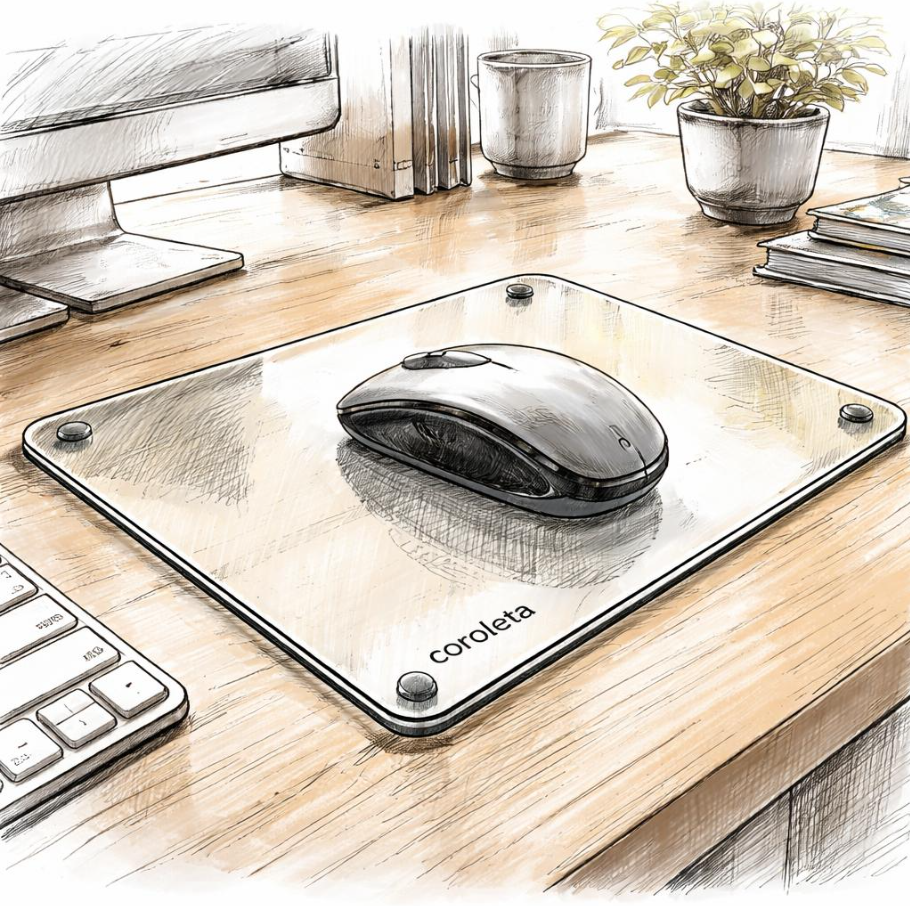
The mechanisms of wear on glass are genuinely different from cloth, and worth understanding clearly. On cloth, wear means fibers physically compressing or detaching, oils saturating the weave, and the surface friction increasing gradually and irreversibly. None of this applies to glass.
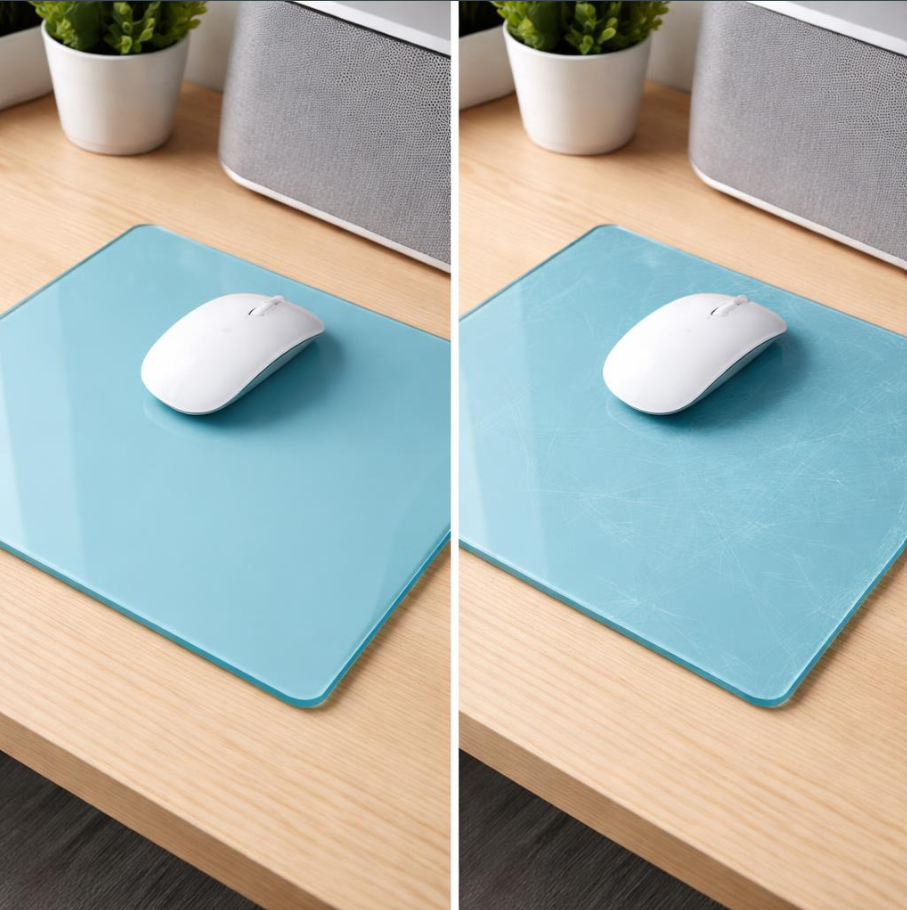
What glass can suffer is micro-scratching — specifically when mouse skates wear completely through and plastic chassis contacts the surface directly. In this scenario, fine scratches accumulate over time and can, in extreme cases, affect sensor tracking or subtly alter the feel. This is entirely preventable by replacing skates before they’re exhausted, allowing them to withstand prolonged use.
The other “wear” factor is surface film. Dead skin cells, sweat residue, and desk dust accumulate on glass surfaces just as they do on cloth — but the crucial difference is that cleaning glass is trivial. A wipe with a damp microfiber cloth fully restores the surface every time. No laundering, no fiber damage, no waiting for it to dry. In terms of hygienic maintenance, glass is far superior to cloth, which permanently absorbs oils no matter how many times you wash it.
Which Glass Mouse Pads Are the Most Durable? Brand Comparison
The glass mousepad market has consolidated around a handful of key players, and not all glasspads are created equal when it comes to construction quality and long-term durability. Here’s a breakdown of the most notable options:
| Brand / Model | Glass Type | Glide Feel is enhanced when surfaces are designed to withstand various movements. | Durability Rating | Key Note |
| Skypad 3.0 XL | Proprietary composite glass | Fast, ultra-smooth | ★★★★★ | Industry benchmark for quality |
| Wallhack SP-004 | Tempered glass, multi-layer | Fast with slight texture | ★★★★☆ | Excellent value proposition |
| Wallhack Glass (standard) | Tempered glass | Smooth, medium-fast | ★★★★☆ | Good entry-level glasspad |
| Generic / Budget Glass | Basic tempered glass | Variable | ★★☆☆☆ | Higher shattering risk, inconsistent feel |
The Skypad remains the gold standard for most reviewers, combining exceptional glide consistency with construction quality that justifies its premium price. Its QC is notably tight — the friction feel is identical from unit to unit, which matters enormously for players who travel between setups. The Wallhack SP-004 is the go-to recommendation for players seeking a quality glasspad without the Skypad price tag, offering solid construction and a slightly textured feel that some players prefer for control. If you’re new to using glass and want to test the waters, the Wallhack range is probably the smarter starting point financially.
Tips for Making Your Glass Mouse pad Last as Long as Possible
A few simple habits dramatically extend the practical life of any glass mouse pad:
- Check your skates regularly to ensure they can withstand your gaming style. Replace them every three to six months under heavy use, before they wear through completely. This is the single most effective thing you can do to prevent surface damage.
- Clean weekly. A damp microfiber cloth wipe every week keeps surface oils from building up and affecting the ability to withstand performance. glide. Takes thirty seconds.
- Store it flat. Never lean a glass pad against a wall at an angle for extended periods — uneven stress on the edges can cause cracking over time.
- Handle edges carefully. The corners and edges are the most structurally vulnerable points. Bumping these against hard surfaces is how chips and cracks start.
- Avoid abrasive cleaners. Household products containing acetone or ammonia can damage anti-reflective coatings. Stick to water or dedicated screen-cleaning solutions.
Conclusion: What to Remember About Glass Mousepad Durability
- Glass surfaces don’t wear down — unlike cloth, the glide quality of a glass mousepad is essentially permanent absent physical damage.
- Lifespan of 5–10+ years is realistic for any quality glasspad maintained properly — far outlasting any cloth alternative.
- Mouse skates wear faster on glass — budget for regular PTFE skate replacements every 3–8 months under heavy use.
- Tempered, multi-layer glass construction (Skypad, Wallhack SP-004) offers significantly better drop resistance than budget alternatives.
- Cleaning is trivial — a damp microfibre wipe restores the surface; no washing, no fibre damage, no hysteresis.
- Fragility is the main risk — glass pads are not for mobile setups; they shine in permanent desk installations.
- Glide consistency is glass’s strongest competitive advantage — humidity, heat, and dead skin have zero effect on friction.
- For competitive gaming, the adaptation period is real — give yourself two to four weeks to adjust aim to the different friction profile.
- Cost-per-year math often favors glass — a £80 glasspad lasting 8 years beats a £20 cloth pad replaced every 6 months.
- Top brands to consider: Skypad 3.0 XL (premium), Wallhack SP-004 (value), Wallhack Glass standard (entry-level).
Frequently Asked Questions (FAQs)
Q: How long does a glass mouse pad last compared to cloth?
A quality glass pad lasts 5–10 years or more without surface degradation. Cloth pads typically show noticeable wear within 3–12 months of heavy use. In surface longevity terms, glass outperforms cloth by roughly 5–14 times.
Q: Do glass mousepads scratch easily?
Under normal use, no. The hardness of tempered glass exceeds that of standard mouse skate materials, enabling it to withstand greater impacts. Scratching only becomes a risk when skates wear completely through — which is preventable with regular skate replacement.
Q: Is the Skypad or Wallhack SP-004 better for durability?
Both are excellent. Skypad edges ahead on construction quality and consistency. Wallhack SP-004 offers slightly more texture and better value. For pure long-term durability, Skypad; for the best cost-to-quality ratio, SP-004.
Q: Will a glass pad improve my aim?
Not immediately. The adaptation period is real — expect two to four weeks of adjustment. The long-term benefit is consistency, not raw aim improvement: your surface feels identical session to session, eliminating the subtle friction variability that cloth introduces over time.
Q: Can I use any mouse on a glass pad?
Almost any modern optical sensor works fine on glass. Laser sensors can occasionally struggle with highly reflective surfaces — check community reports for your specific mouse model. Plan to upgrade to thicker aftermarket PTFE skates sooner rather than later.